Adding a Granny Flat to Your Property
A granny flat can add living space without the cost of moving house. It might suit an ageing parent, an adult child or a tenant who brings in rent. In many parts of Australia the approval rules have loosened in recent years. Even so, each state sets its own limits on size, lot area and approvals.
This guide looks at the main rules in New South Wales, Victoria and Western Australia. It also covers the practical side of planning a second small home on your block. Rules differ between states and councils and they change. Always confirm the current rules for your address before you commit.
What counts as a granny flat
Each state uses its own name. New South Wales calls them secondary dwellings. Victoria uses the term small second dwelling. Western Australia calls them ancillary dwellings.
The idea is the same in each case. It is a second, smaller home on the same lot as the main house. In NSW the dwelling must be self contained, with a habitable room, kitchen area, bath or shower, toilet and clothes washing facilities. Councils explain the state rules in plain terms, such as Wollongong’s guide to granny flats.
New South Wales rules
In NSW, granny flats are allowed in designated residential zones under State Environmental Planning Policy (Housing) 2021. Under the complying development rules, the granny flat can be no more than 60 square metres in floor area. The main home must be on a lot of at least 450 square metres. If the project fits these rules, approval can be fast.
If your plans do not fit the complying development rules, you need a development application to council instead. A council or private certifier can issue a complying development certificate. You cannot subdivide the lot if the granny flat is covered by the Housing SEPP conditions. That means the flat cannot be split off and sold on its own.
Victorian rules
Victoria has rules that make small second homes simpler to build. A small second dwelling must have a floor area of 60 square metres or less. In most cases it will not need a planning permit. A building permit is always required.
The Victorian Building Authority notes a few more points. The dwelling cannot be subdivided from the main home. Any overlay requirements on your land still apply. Anyone can live in it, and you can rent it out. You can read the details on the Victorian Building Authority page on small second homes.
Western Australian rules
Western Australia relaxed its rules in 2024 through changes to the Residential Design Codes. A granny flat must meet setback rules and must not exceed 70 square metres. Where it meets the deemed to comply provisions of the codes, it may be exempt from development approval. The old minimum lot size of 350 square metres no longer applies to compliant granny flats.
In most cases a WA granny flat does not need its own parking bay. There are exceptions for some densities and for sites far from public transport. Check with your local council about your block. A building permit is a separate question, so speak with a building surveyor too.
Planning the build on your block
Before you choose a design, look closely at where it will go. Rear access matters for building crews and for future tenants. Think about how people will reach the front door without walking through your living areas. Check where sewer, water and power lines run, because connecting to them can be a big part of the cost.
A granny flat often takes up part of the backyard. That can mean moving garden beds or established plants. Our guide on how to safely move your plants has tips that apply here too. Plan the garden so both homes keep some private outdoor space.
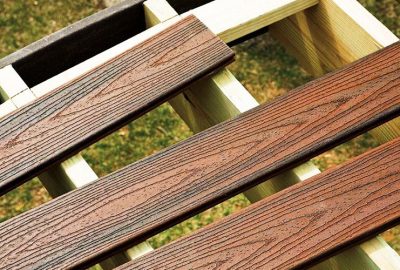
Outdoor living space makes a small home feel larger. A deck off the living area gives the occupant somewhere to sit outside. If you are thinking about composite boards, see our notes on installing Trex decking. Keep the deck inside any setback rules for your block.
Also think about what else you may want in the yard later. A pool, a shed or a carport can all compete for the same space. If a pool is on the wish list, read up on the pros and cons of a concrete pool before you fix the granny flat site. Sketching the whole yard now can stop you boxing yourself in.
Choosing who builds it
You can build a granny flat on site or buy a prefabricated unit. Either way, the builder needs the right licence for your state. Get written quotes that spell out what is included, such as site works, connections and approvals. Ask who will handle the permit and certification.
It also pays to get a few quotes and compare them line by line. A cheap base price can grow once drainage, power and access are added. Talk to people who have used the builder before. If the site slopes, the build may also need limestone retaining walls to level the ground.
Renting out a granny flat
Many owners build a granny flat to earn rent. In Victoria, the rules allow anyone to live in a small second dwelling or to rent it out. Rules in other states can depend on the approval pathway and on council conditions. If you plan to rent, check the approval terms before you advertise.
Renting a granny flat also brings tenancy law, tax and insurance into play. Your insurer should know about the second dwelling. A tax adviser can explain how rental income affects your return. Keep good records of building costs from the start.
Frequently asked questions
How big can a granny flat be?
It depends on the state. NSW complying development and Victorian small second dwellings are limited to 60 square metres. In Western Australia the limit is 70 square metres. Larger designs may still be possible through a full development application.
Do I need council approval for a granny flat?
Not always for planning, but you will nearly always need a building permit. Victoria says a building permit is always required. In WA a compliant granny flat may be exempt from development approval. In NSW you need either a complying development certificate or a development application.
Can I sell the granny flat separately?
Generally no. In NSW and Victoria the rules say a granny flat cannot be subdivided from the main home. The two homes stay on one title. Ask your council if you think your site may be different.
Is there a minimum lot size?
In NSW, complying development needs a lot of at least 450 square metres. WA removed its 350 square metre minimum for compliant granny flats in 2024. The Victorian Building Authority sets no minimum lot size for a small second dwelling, but garden area and siting rules can still apply. Check with your council for your block.
This article is general information only. Granny flat rules differ between states and councils and they change over time. Confirm the current rules with your local council and a building surveyor before you start.